









Indianapolis Vinyl Signs
VIEW GALLERYLook no further than our wide range of vinyl products to make sure your brand and business stands out!
 At the heart of many a successful sign package is a versatile material called vinyl. At Schaefer Sign Works, we can create budget-friendly vinyl lettering, graphics, window clings, banners, decals and more. Our Indianapolis graphic designers can utilize existing art files or create graphics for you that are then cut out and installed by our in-house team.
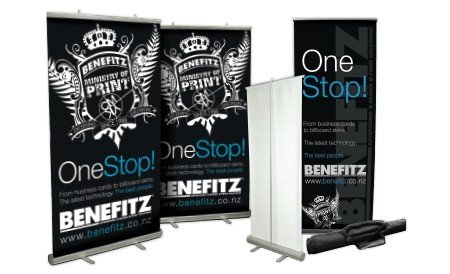
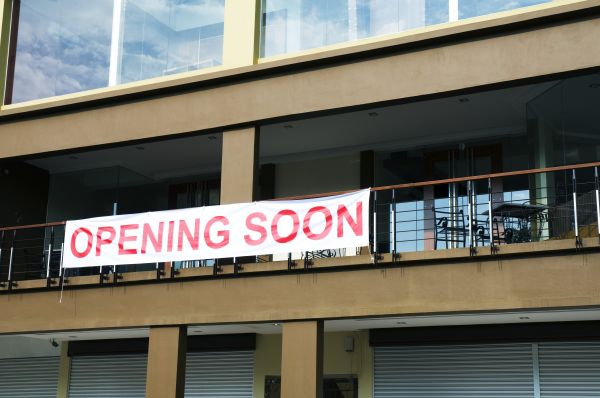
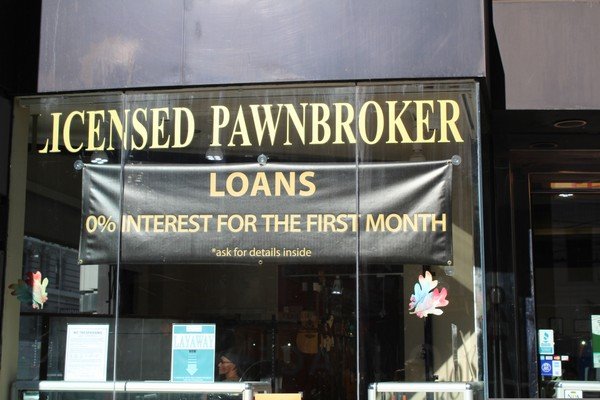
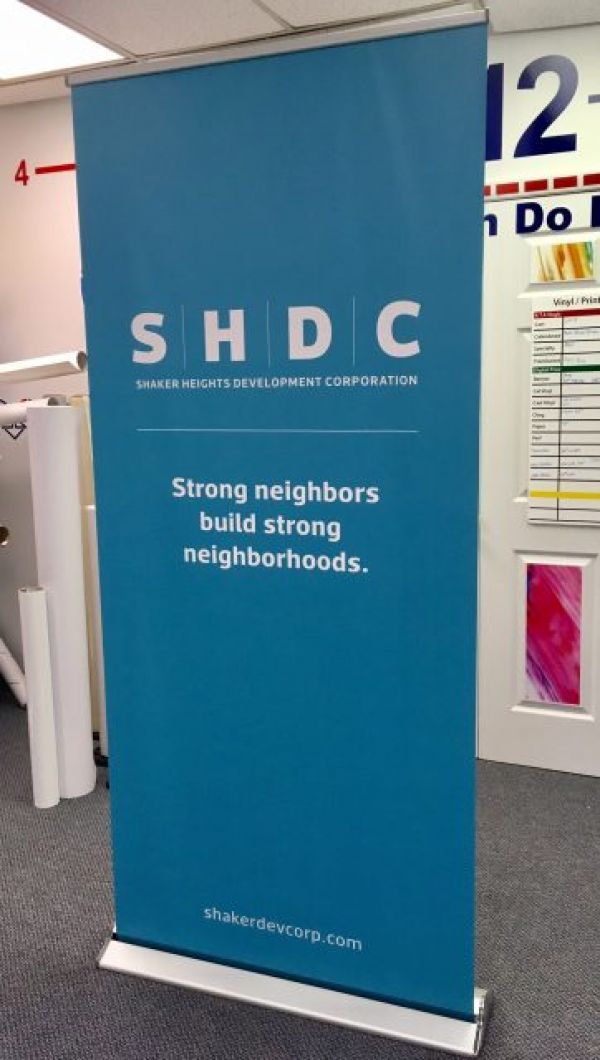
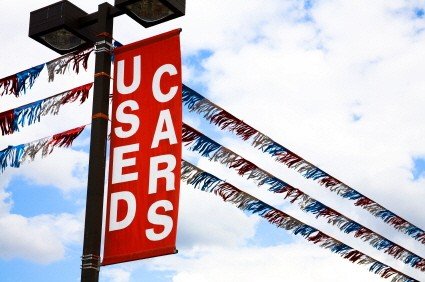
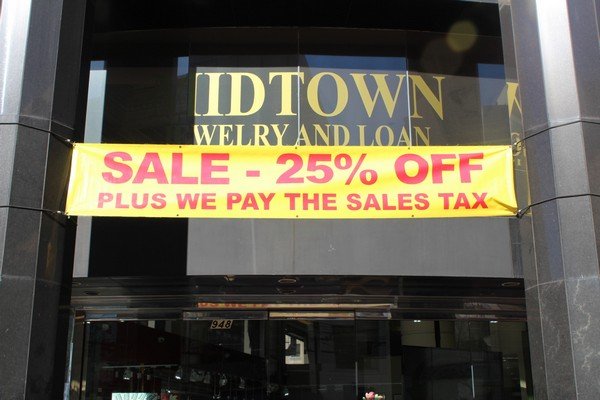
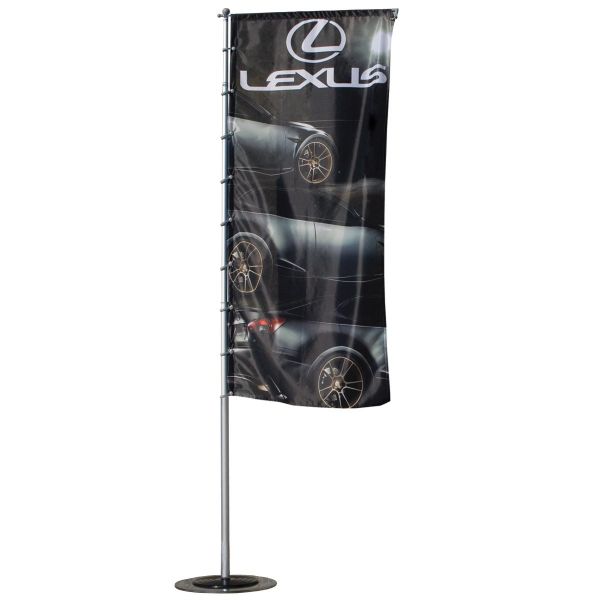
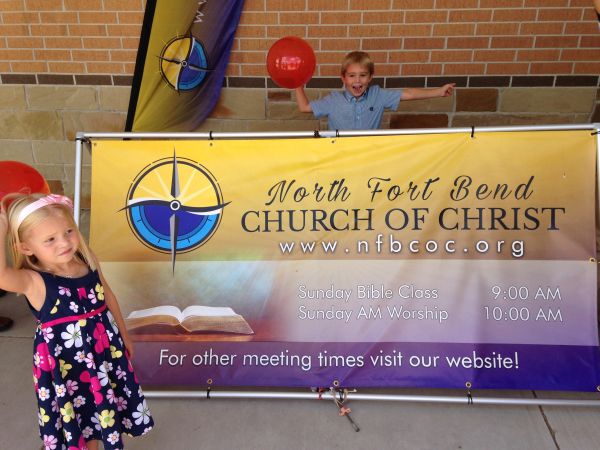
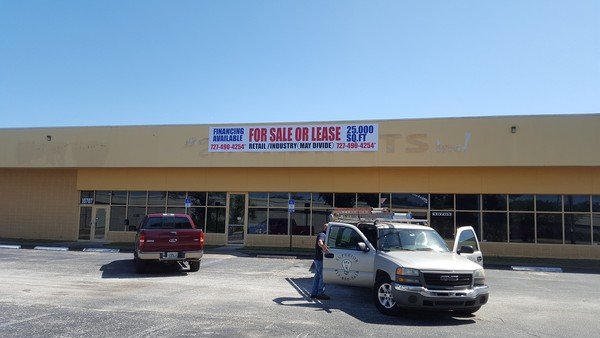
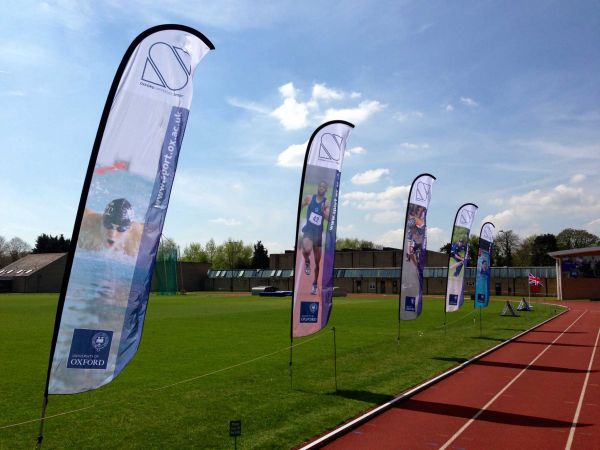
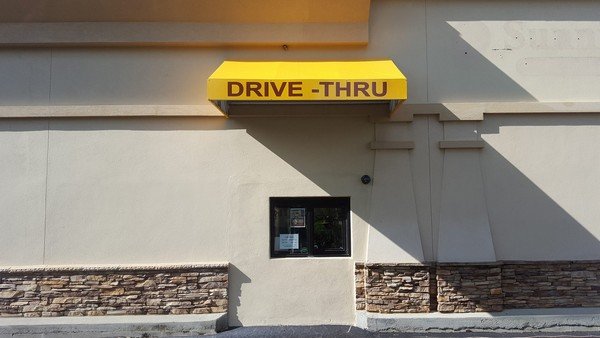
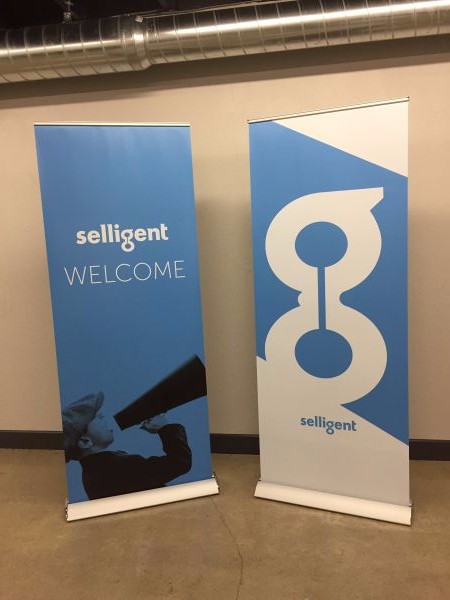
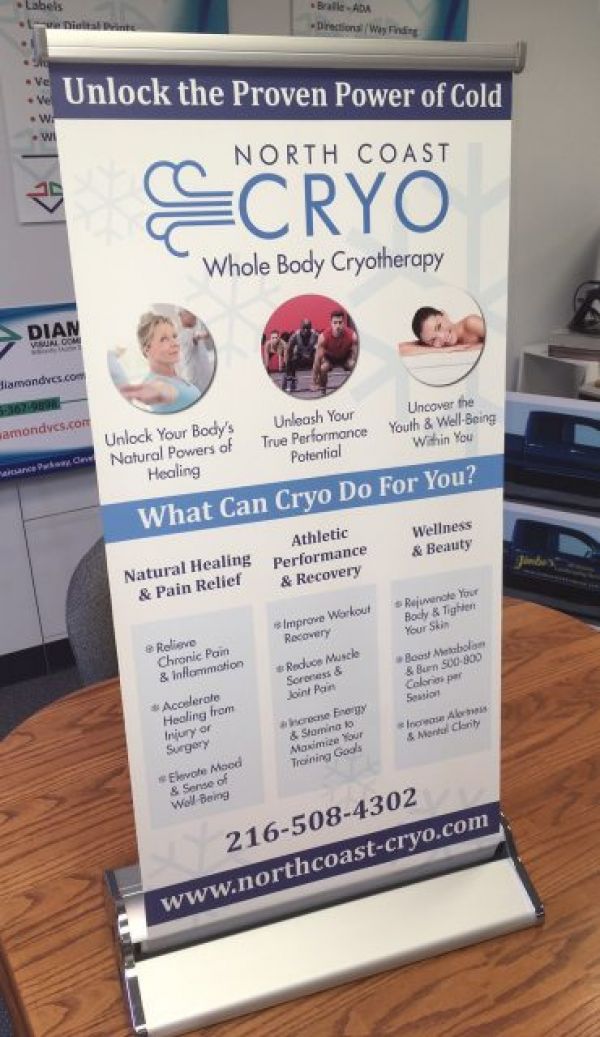
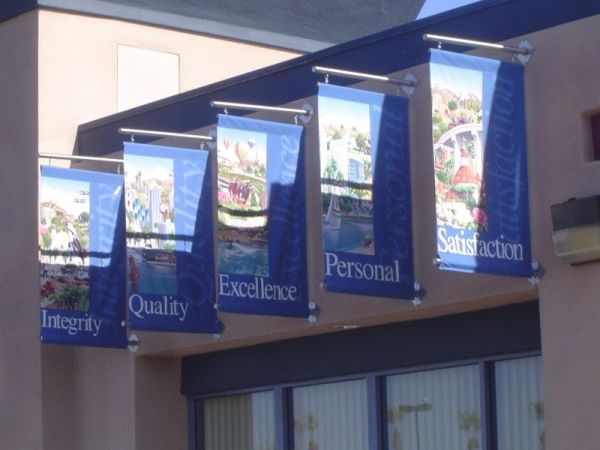
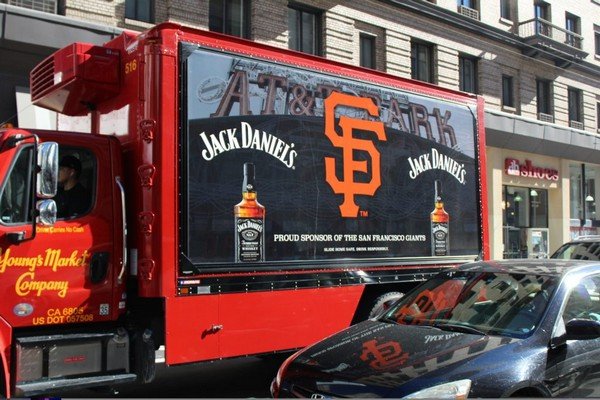
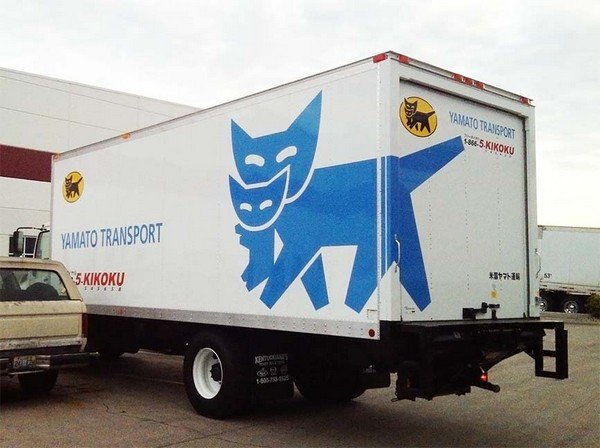
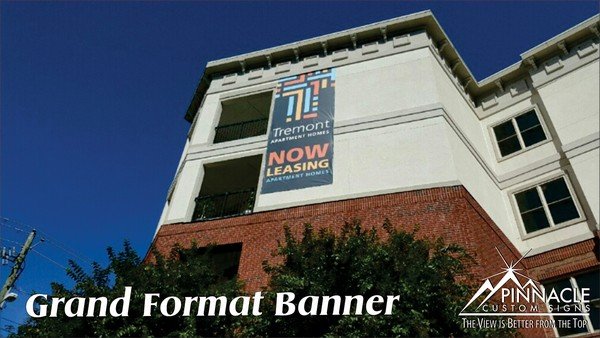
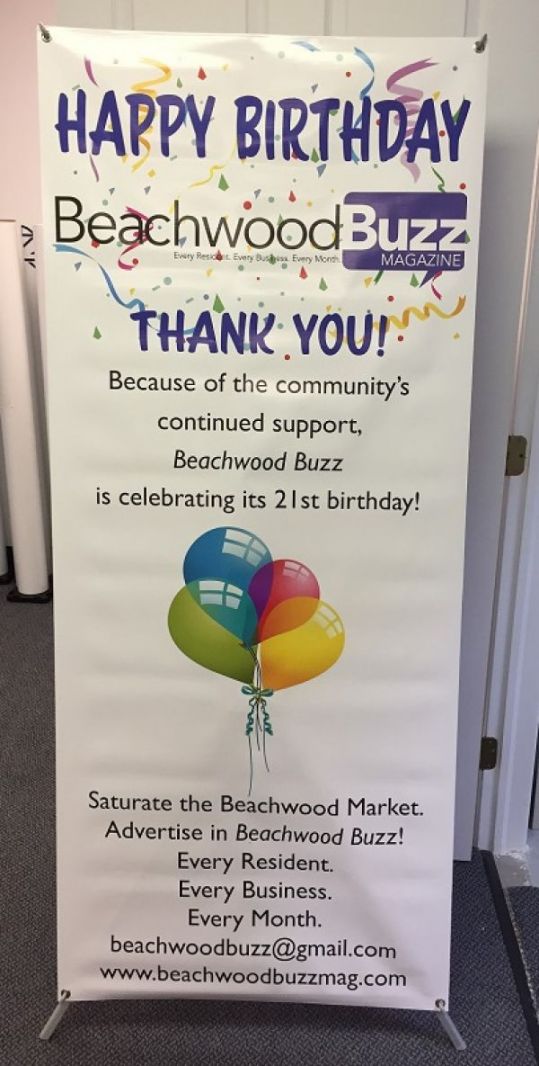
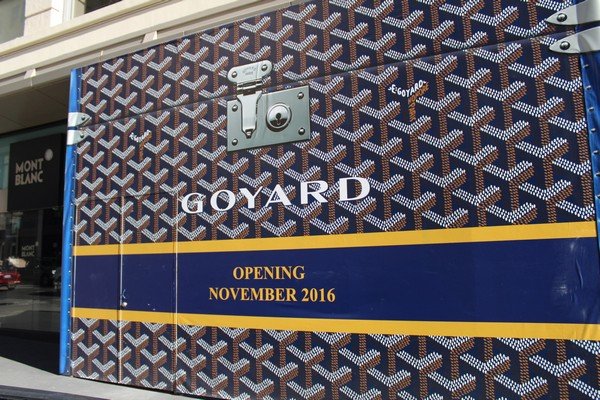
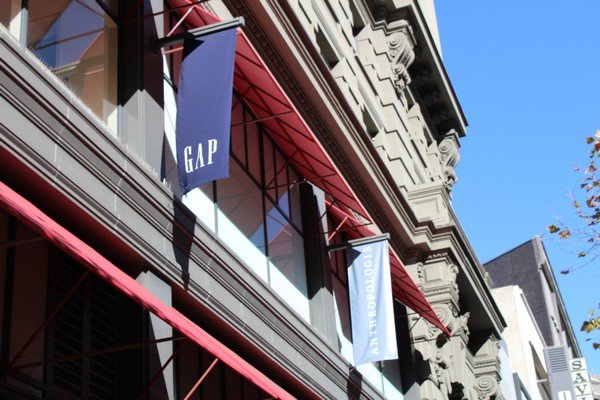
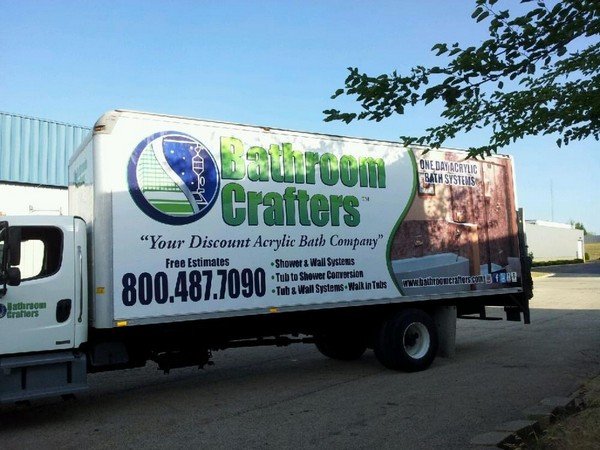
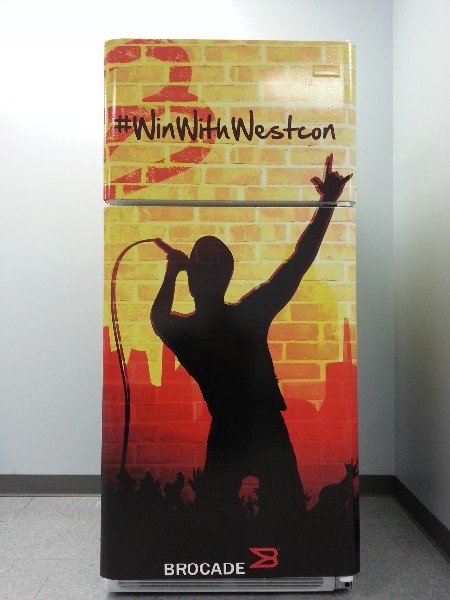
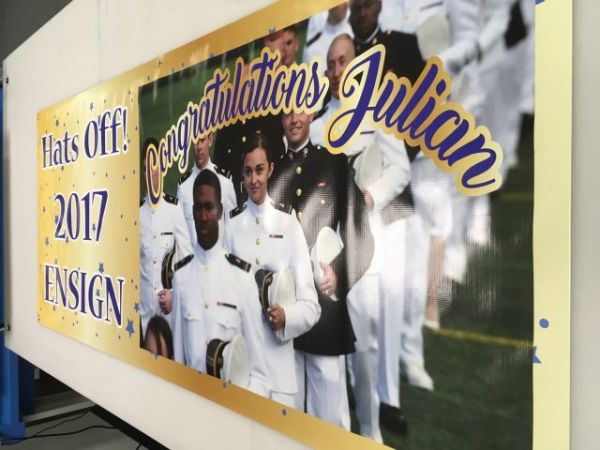
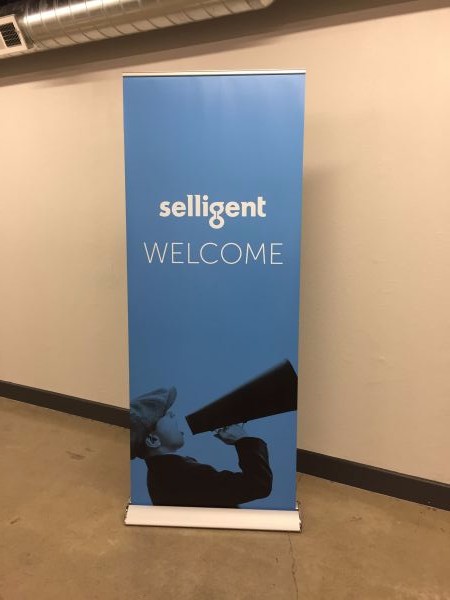
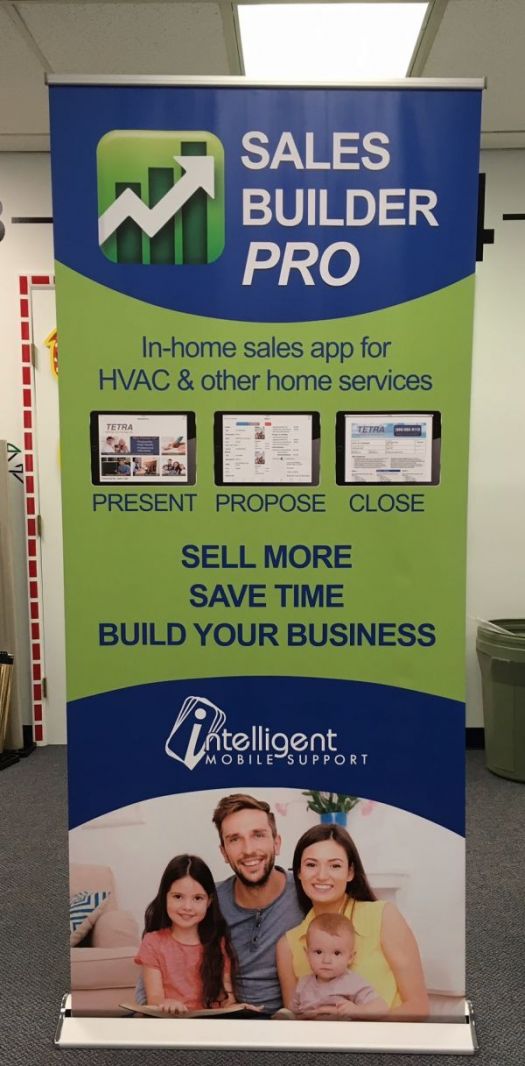
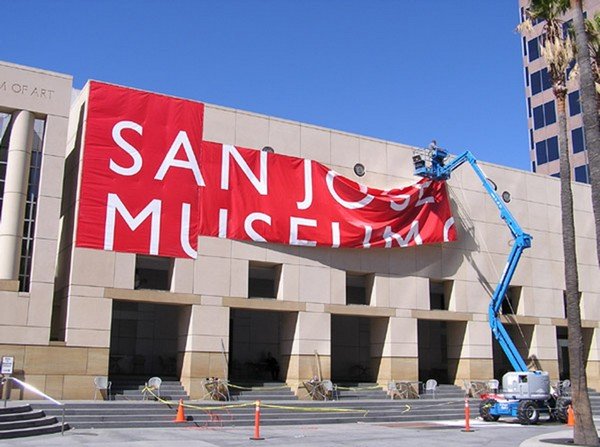
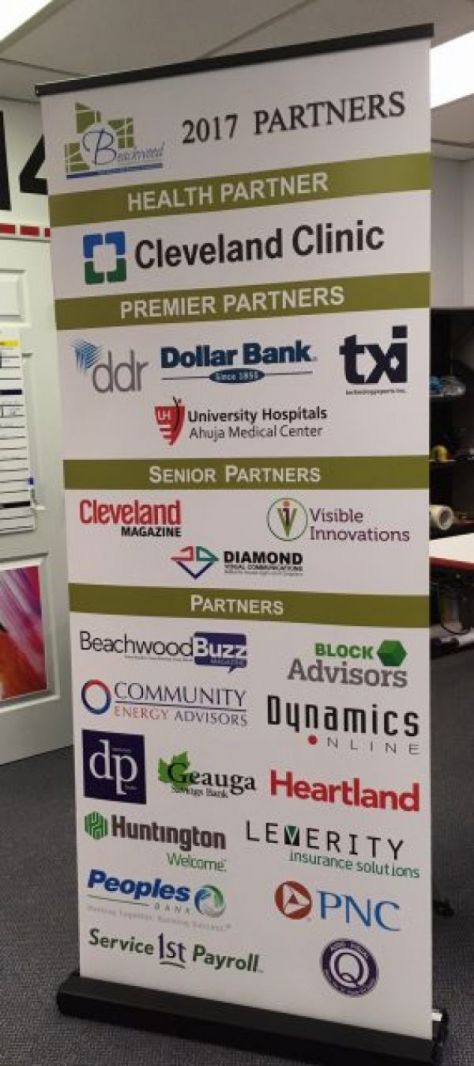
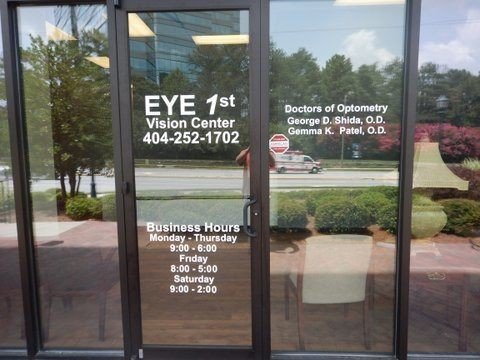
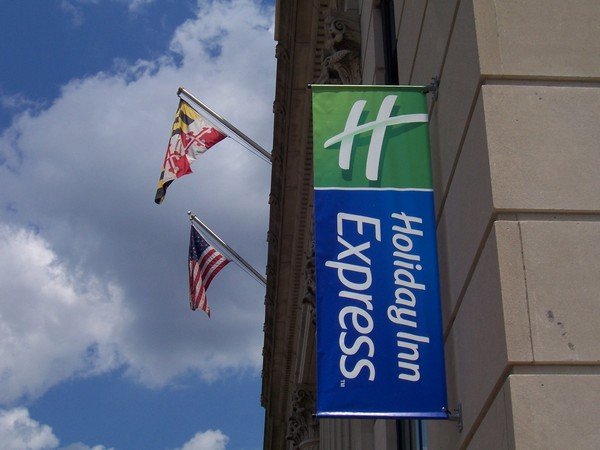
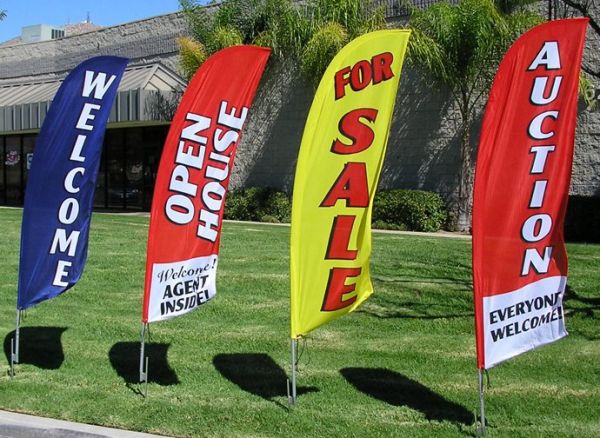
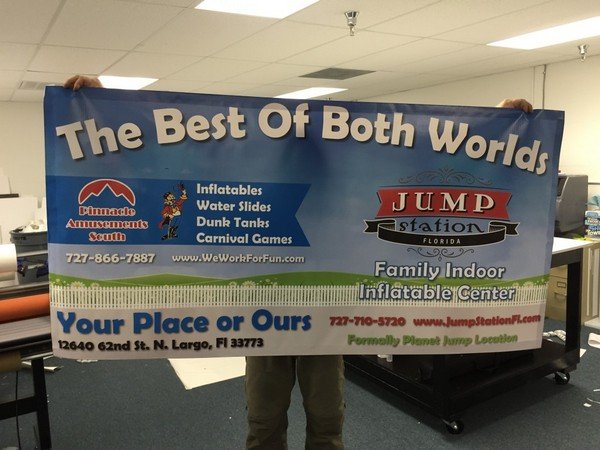
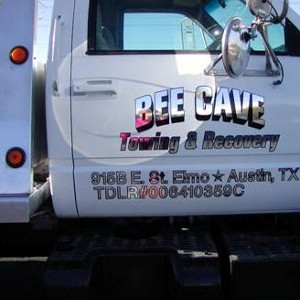
In today’s market, it’s important to identify your company and build on your brand. Vinyl makes it possible to turn almost any surface – be it window, glass, metal, drywall, or a vehicle- into a surface to advertise. Vinyl can also be applied to banners to create a promotional piece of signage that is flexible and durable! And heavy duty vinyl is our material of choice when creating custom fleet graphics and vehicle wraps.
Call Schaefer Sign Works at (317) 934-2575 to schedule a Free Consultation with a Vinyl Signs Expert!
The Perfect Choice for Branded Graphics
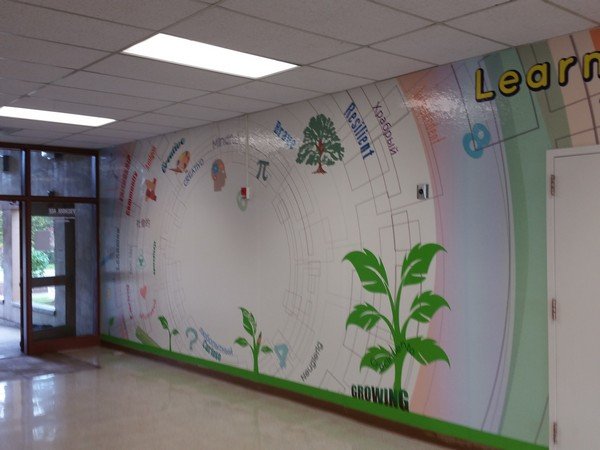
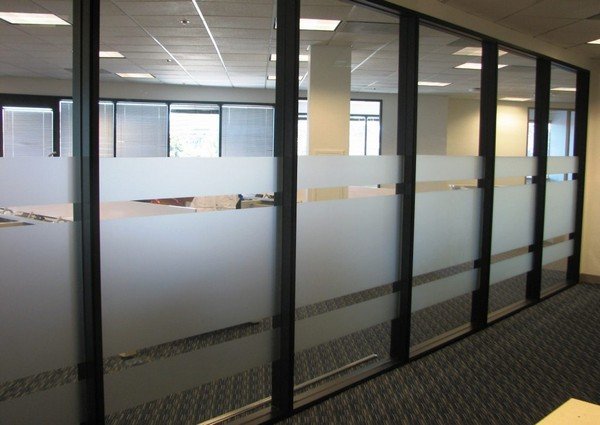
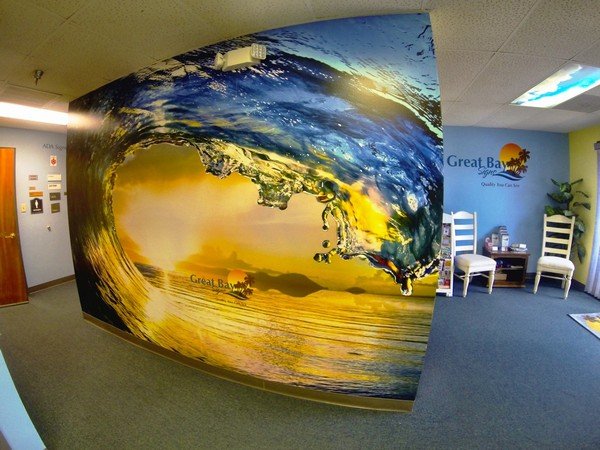
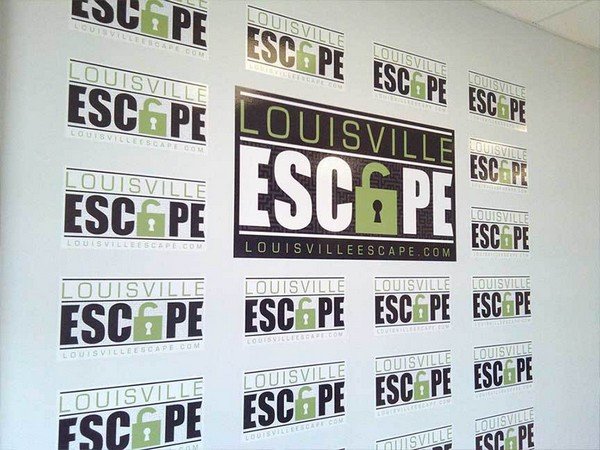
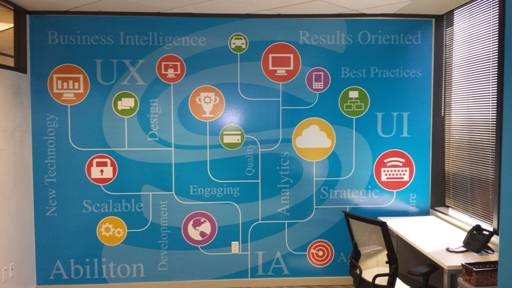
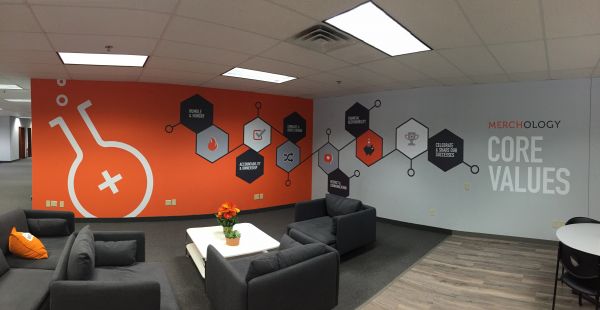
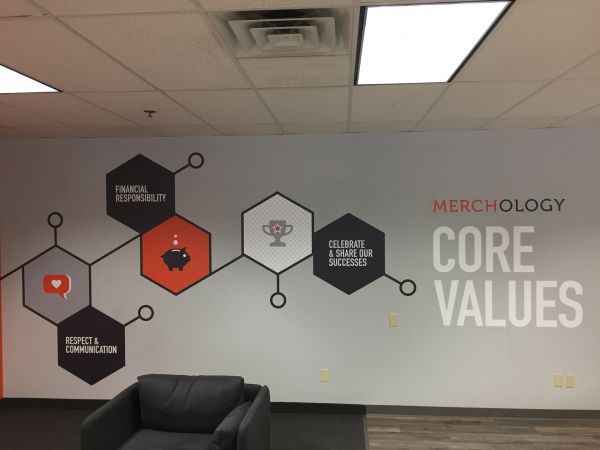
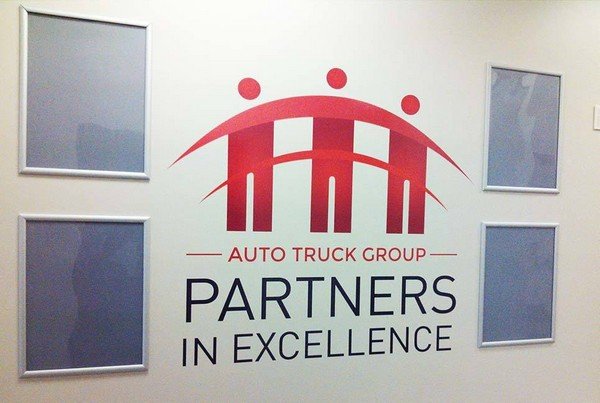
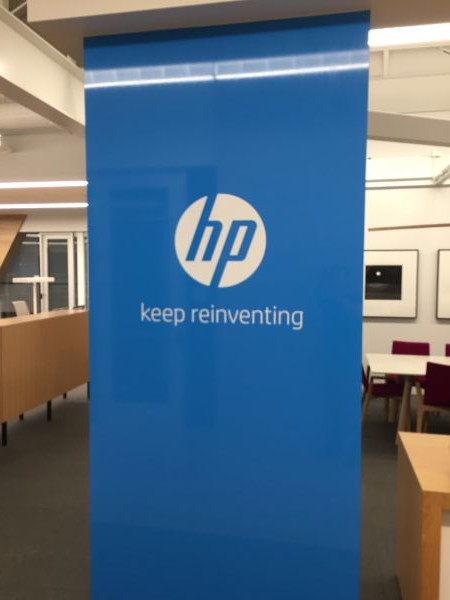
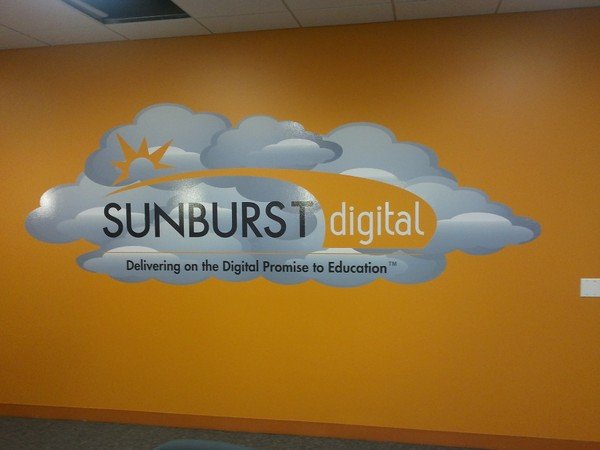
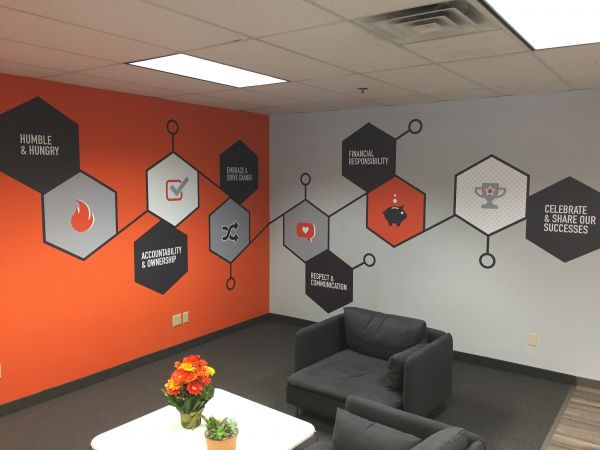
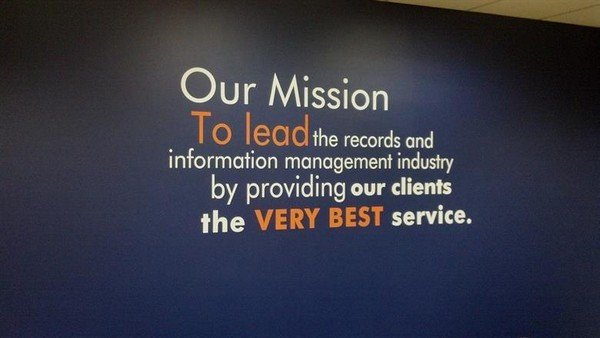
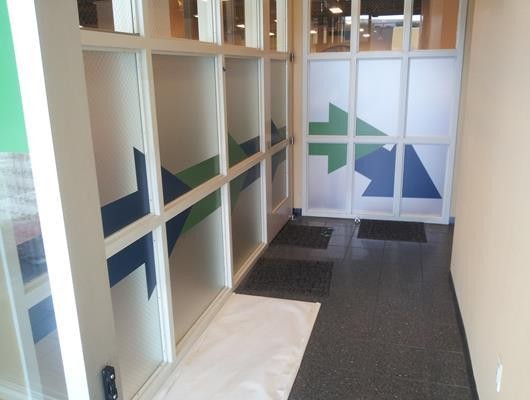
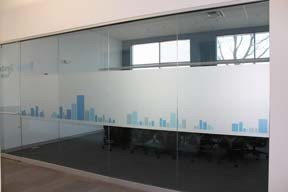
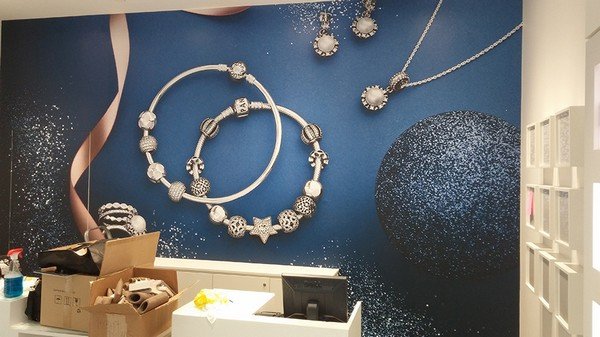
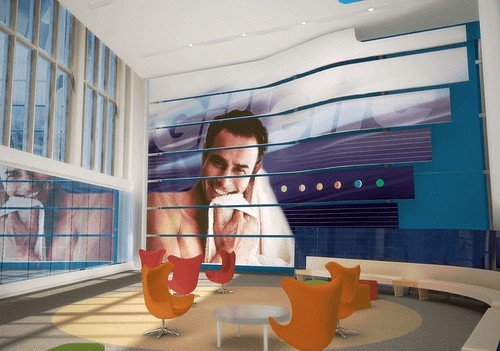
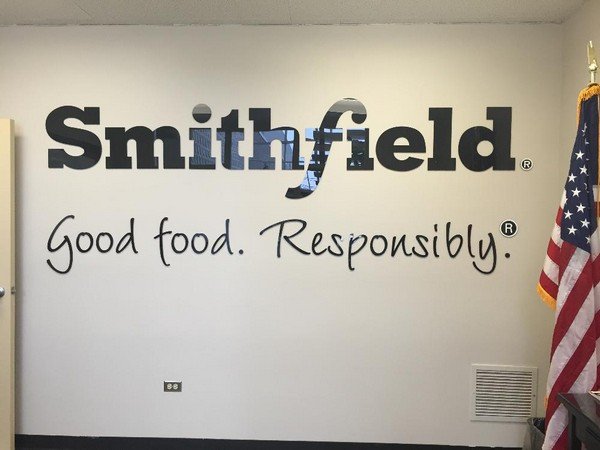
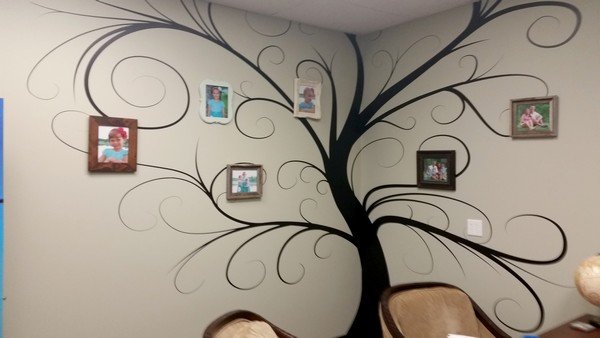
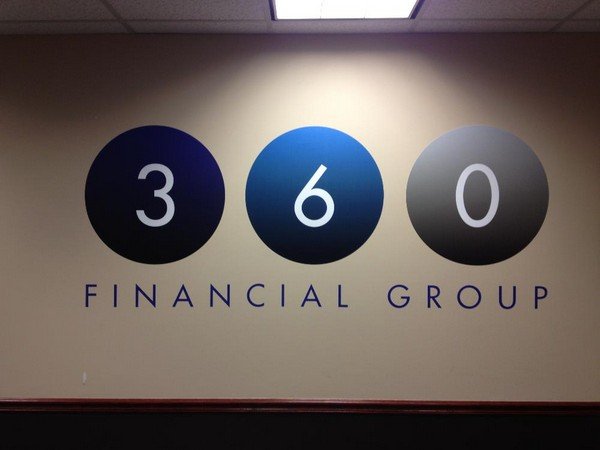
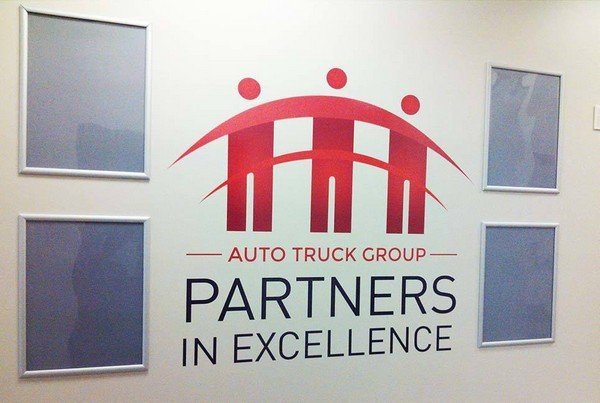
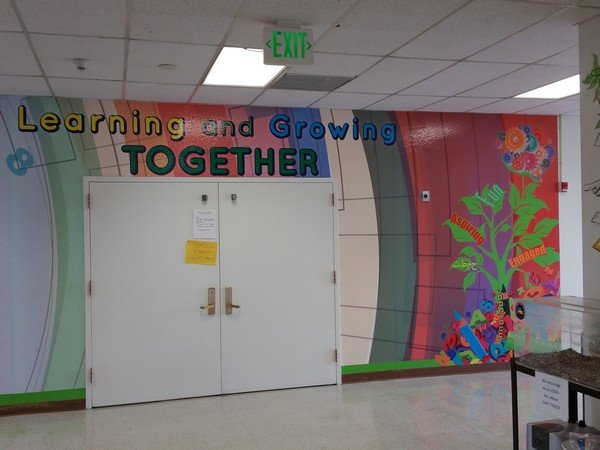
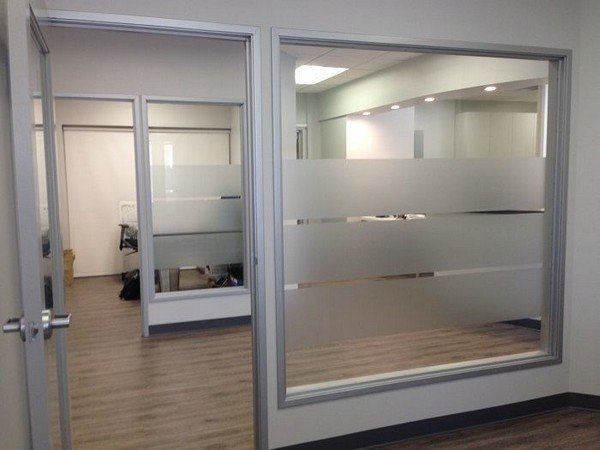
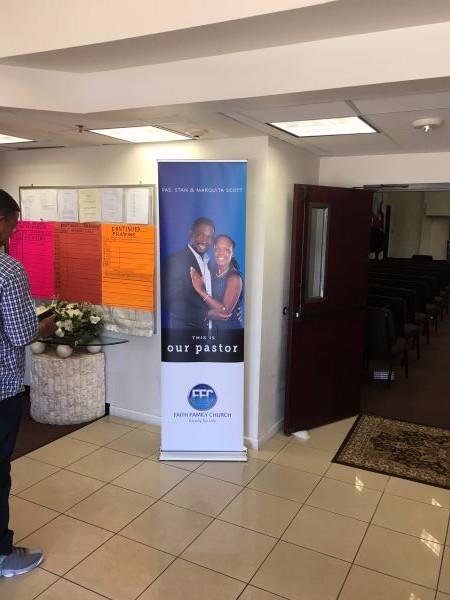
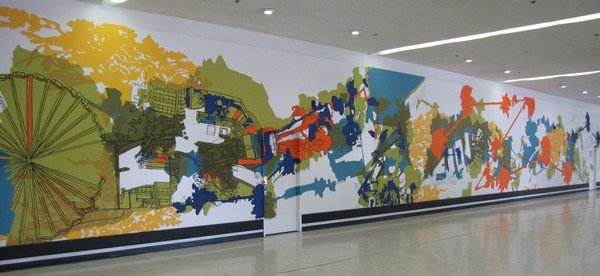
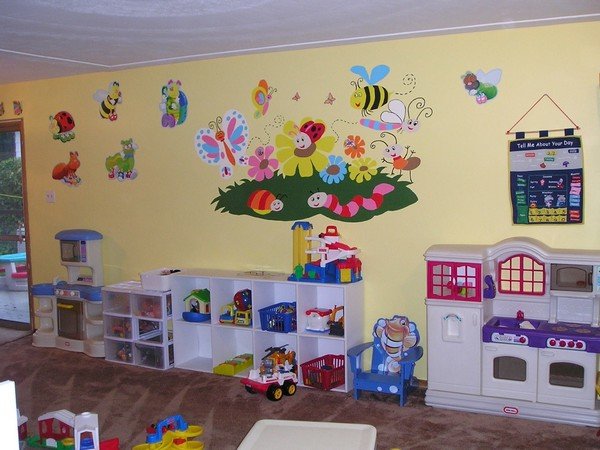
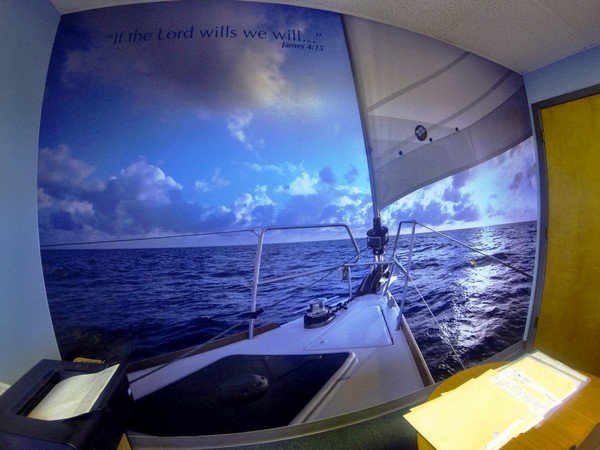
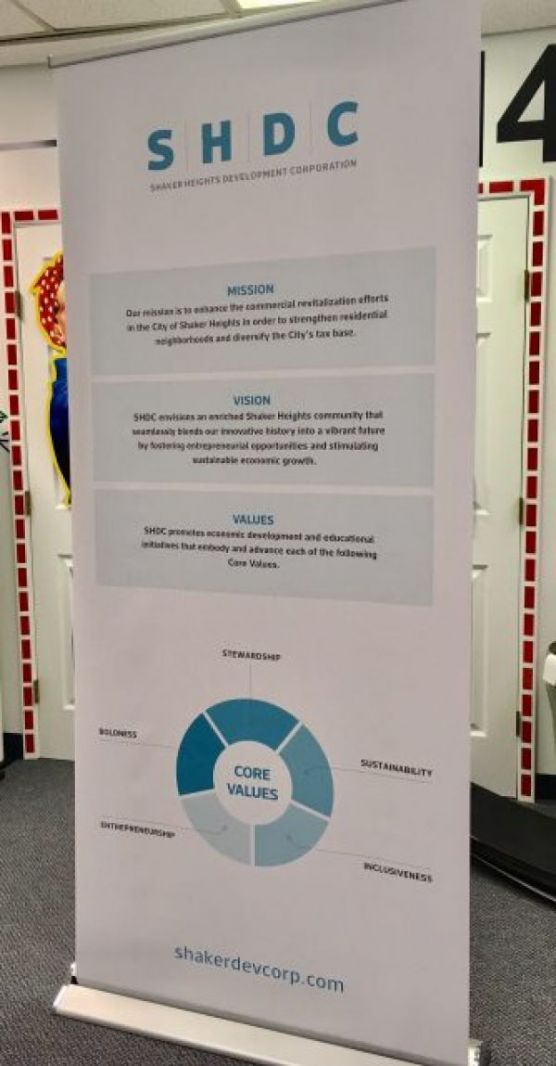
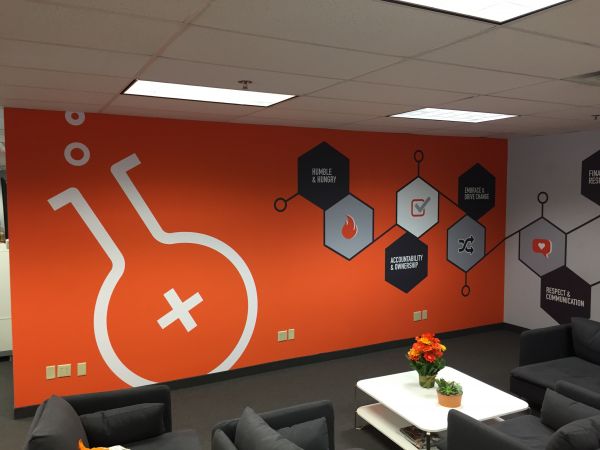
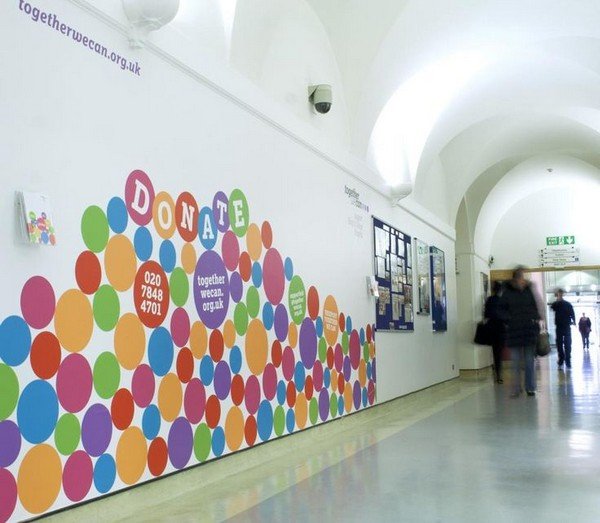
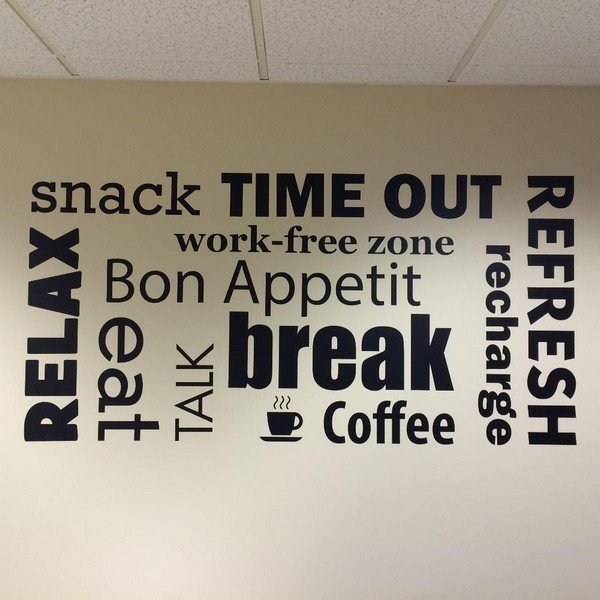
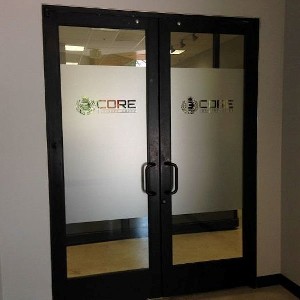
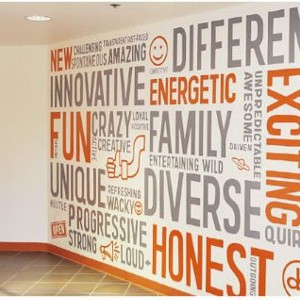
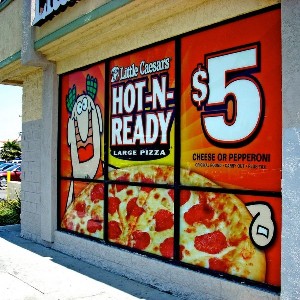
 Consider the benefit that vinyl brings to an interior office space. It can be easily applied to drywall and effectively used for lobby signage, wall murals, privacy films (applied to glass), door signs, and other office signage. It works wonderfully when used as informational signage in product displays or business storefronts, as vinyl cling is easy to update and remove from many interior surfaces. Regardless of how or where you want to display your brand, vinyl graphics are a creative and versatile solution.
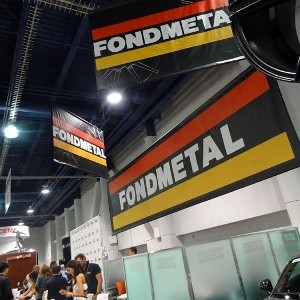
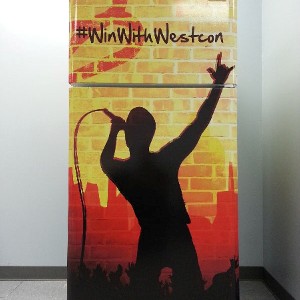
Here are some of our vinyl signage options:


Not sure what you need? Our consultants love to work with you and provide more detail on our vinyl options. We are happy to assist you no matter where you are in the design process – whether you have finished artwork or just an idea of what you need. Reach our experts at (317) 934-2575.
Display Your Full Marketing Potential
Vinyl is a cost-effective solution to advertising, displays, and promotional projects!
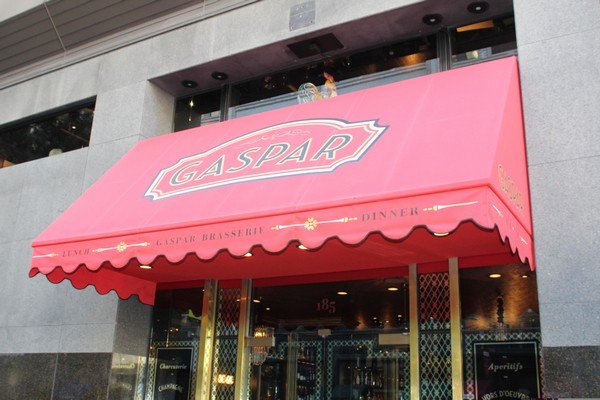
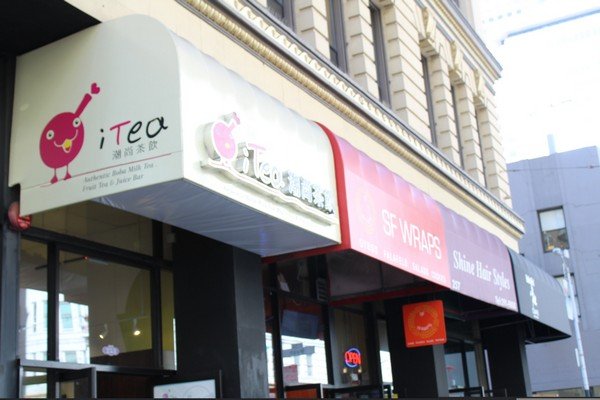
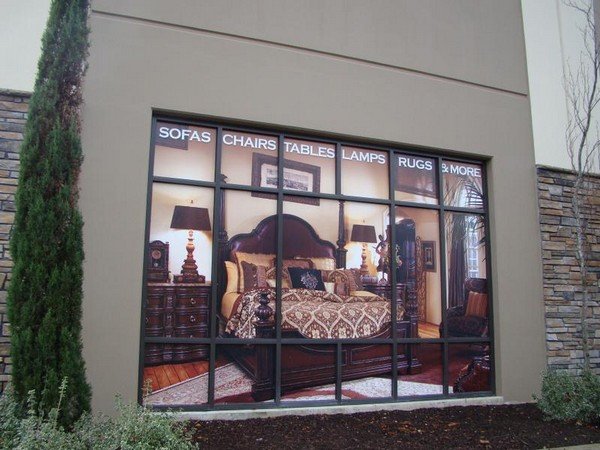
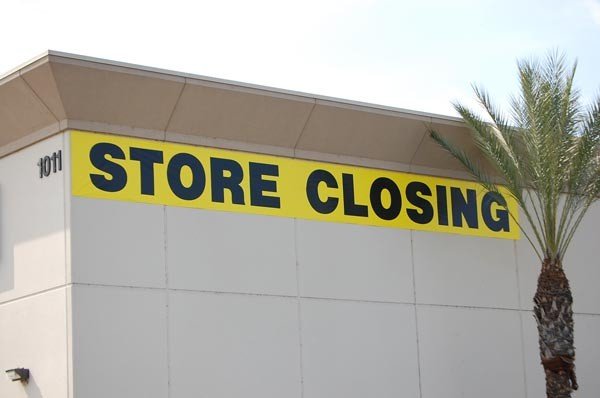
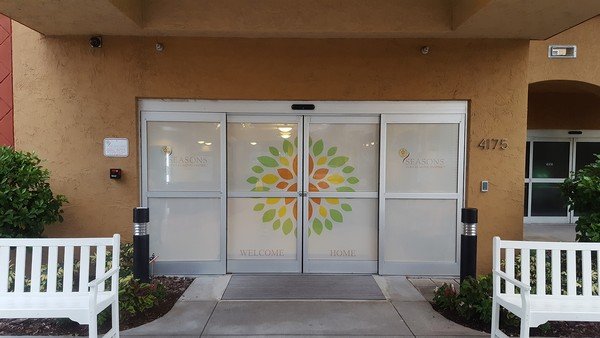
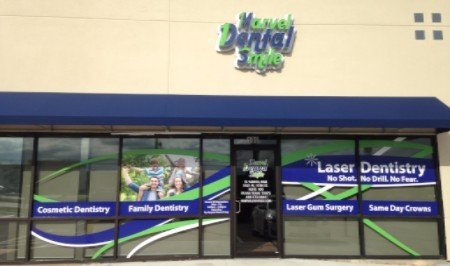
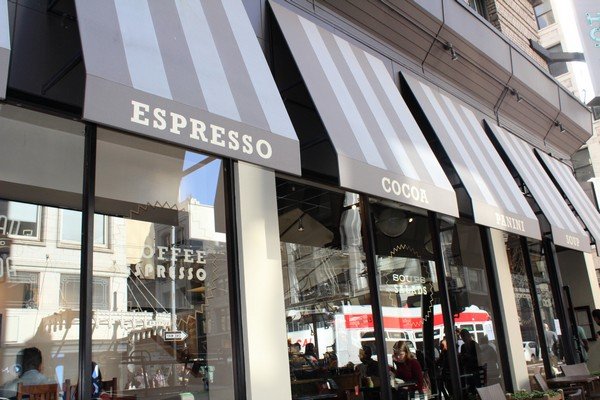
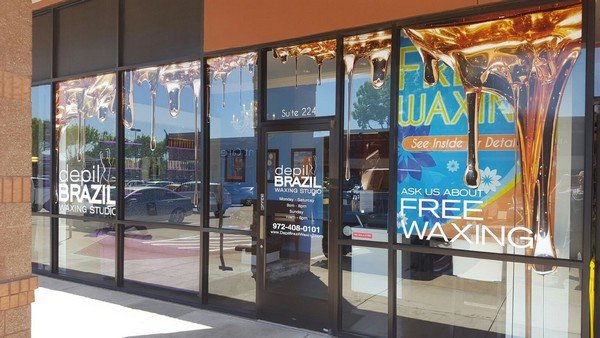
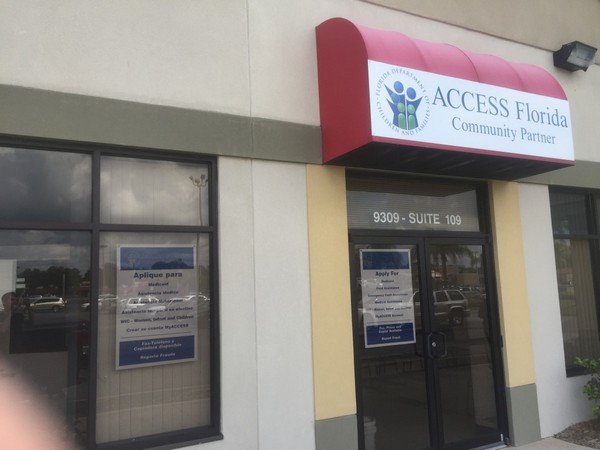
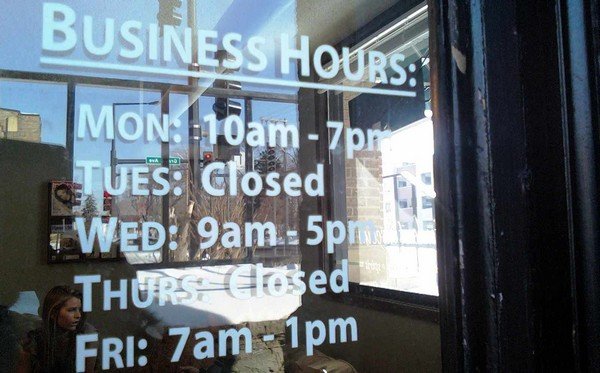
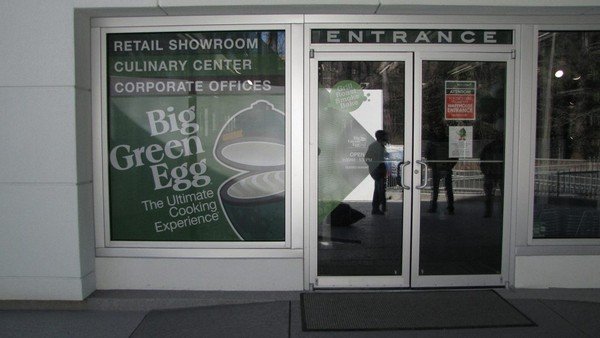
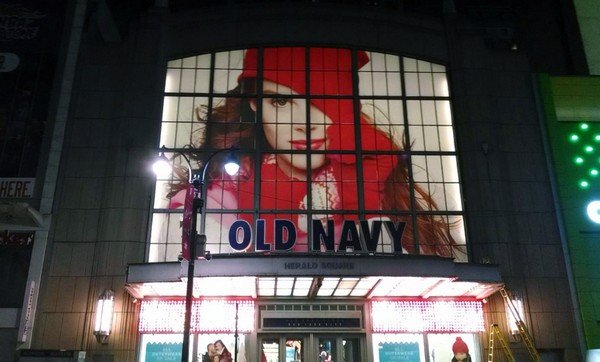
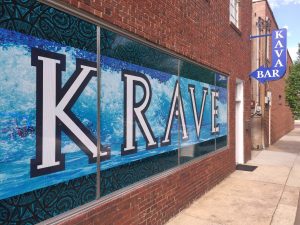
If your Indianapolis, IN business boasts storefront window space, you may benefit from the many weights and finishes that custom vinyl signage can produce. Frosting, etching, perforation, and finishes all add an attractive element to your business. For show-stopping holiday windows, consider temporary vinyl lettering or signage that boosts your curbside appeal.
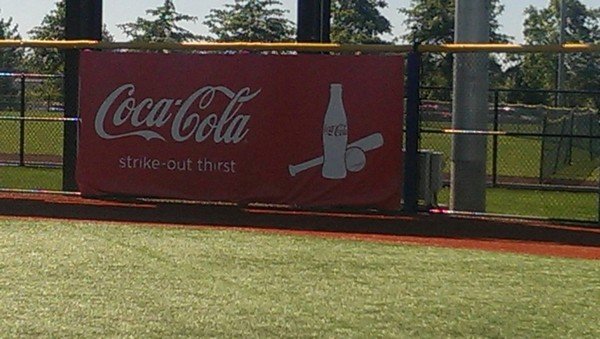
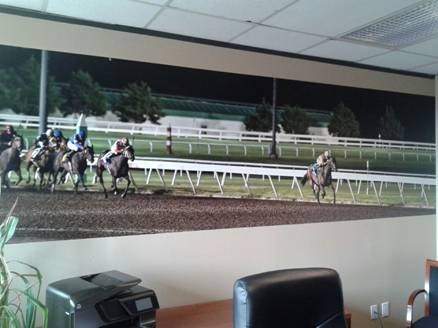
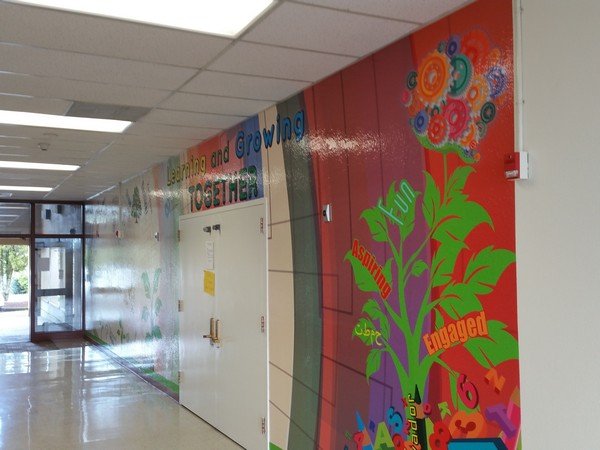
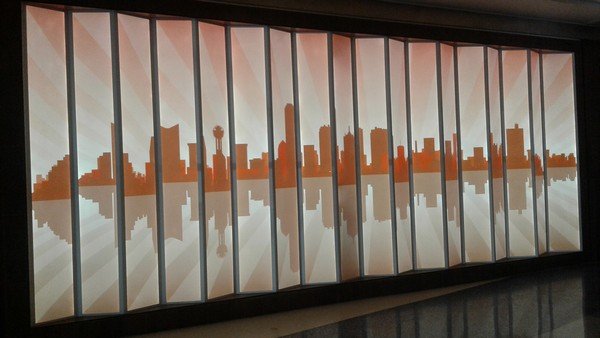
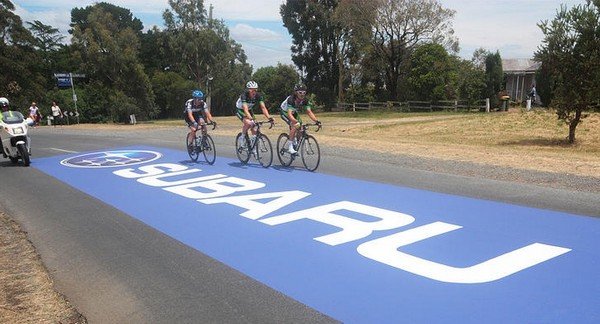
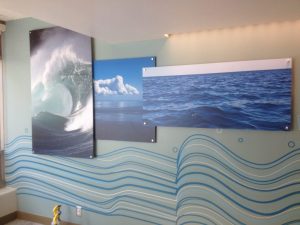 Another consideration for vinyl use is large format printing. Designers and individuals alike love our ability to produce beautiful art that can be used for attractive mural space in a home or indoor signage for a business. Schaefer Sign Works is also skilled at creating heavy-duty vinyl graphics for floors and walkways – an exciting option for a school or sporting arena!
Our graphic designers will create art proofs for you, so that you can get a feel for the finished product before it is produced. And when it comes to installation, our technicians are trained to ensure that vinyl is applied carefully and professionally. We ensure that surfaces are cleaned so that materials will adhere properly and clean up after ourselves when the install is done.
Environmentally Conscious
Our designers and sign fabricators utilize best practices to ensure our processes are environmentally friendly.
 At Schaefer Sign Works, we follow in-house guidelines to ensure we make best use of our materials, maximizing layout space and reducing waste during our design and production processes. We select environmentally-friendly materials when possible, because we care about our planet and reducing our carbon footprint. As a local sign company, we feel invested in the future of our community.
As professionals, we want you to feel confident that should you ever have issues with your vinyl, you can call Schaefer Sign Works at (317) 934-2575 and we will ensure that any problem is resolved.
Free Vinyl Sign Consultation
 Schaefer Sign Works is excited to discuss the multitude of ways that vinyl signs and graphics can be used to increase your brand visibility, build an attractive work environment, or help you accomplish your other business goals. We are ready to get to work creating the high-quality vinyl signage your Indianapolis business needs!
Call Schaefer Sign Works at (317) 934-2575 to schedule a Free Consultation with a Vinyl Signs Expert!